
Which nations have exhausted their fiscal capacity?

Changing Perspectives on Fiscal Policy
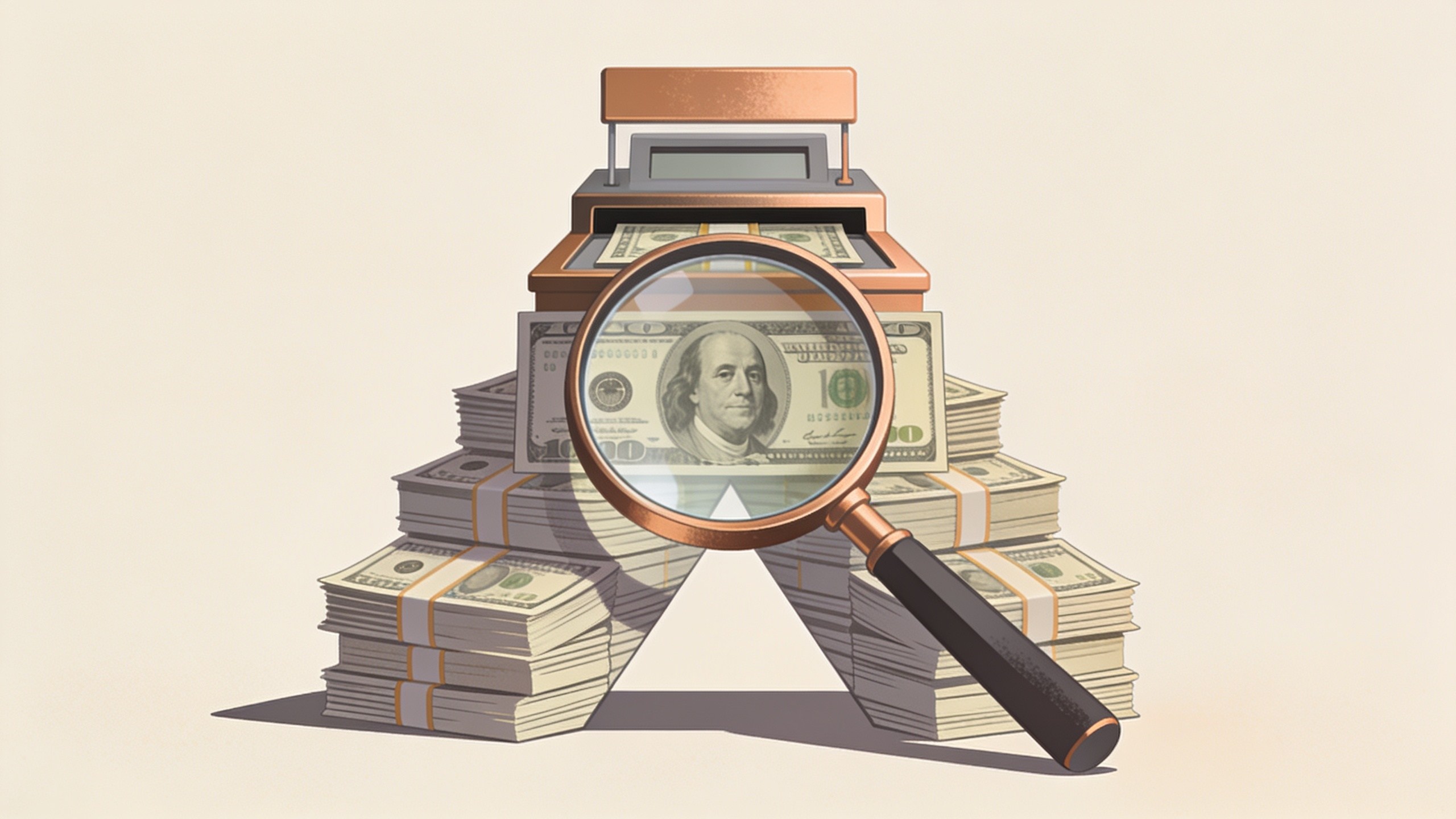
Prior to the COVID-19 pandemic, inflation remained persistently low, fostering the belief that central banks could maintain low interest rates indefinitely. This assumption led many governments to accumulate higher levels of debt, confident that interest costs would stay manageable. Modern Monetary Theory represents the most pronounced example of this mindset, but its influence has shaped fiscal strategies more broadly. As a result, budget deficits have expanded in numerous countries since the pandemic, despite its conclusion. The perceived freedom to spend collided with the surge in inflation and increased expenditure demands following COVID-19.
Disclaimer: The content of this article solely reflects the author's opinion and does not represent the platform in any capacity. This article is not intended to serve as a reference for making investment decisions.
You may also like
XRP Ledger scalability debate heats up as experts compare TPS to Visa

JPMorgan Stock Slides on Epstein Probe Fears: Bitcoin Has No CEO to Drag Into the Scandal
Nasdaq dives 5.6% after Democrats’ win, VIX rises 70% on AI and Fed fears

Will Musk Face "Reckoning" After the Election? Deutsche Bank: The Tighter the Hashpower, the More Profitable SpaceX; Political Risks Are Overestimated
Deutsche Bank believes that SpaceX's political risks are overestimated by the market—its core contracts are signed by federal executive agencies, congressional intervention is extremely limited, and there are no substitute suppliers in most business areas. The most immediate risk comes from the Texas governor-elect's tough stance on data centers, but tightening compute power supply might actually enhance SpaceX's pricing power and revenues.

Crypto prices
More


